
Advanced FUE and FUT hair transplant procedures by trained specialists because hair loss shouldn’t define your confidence.
Hair loss is one of the most deeply personal experiences a person can go through — and it affects millions of men and women across India, regardless of age. Whether it’s receding hairlines, thinning at the crown, patchy loss, or advanced baldness, the impact on self-confidence is real and significant. At Beautiphi Esthetic Clinics, Nagpur, our hair transplant department offers advanced, medically proven hair restoration solutions that deliver permanent, natural-looking results. Using the latest FUE (Follicular Unit Extraction) and FUT (Follicular Unit Transplantation) techniques, our trained hair restoration specialists carefully design a hairline and density that suits your facial structure and hair characteristics. Every transplant at Beautiphi begins with a thorough scalp and hair analysis, ensuring that the treatment plan is right for your current hair loss stage, your donor area availability, and your long-term goals. Your hair. Your confidence. Restored.
Choosing the right clinic for a hair transplant is one of the most important decisions you'll make — because results are permanent and the procedure requires precision, skill, and the right technology. At Beautiphi Esthetic Clinics, we combine experienced hair restoration specialists with a clinical environment that prioritises safety, hygiene, and natural outcomes. We do not take a template approach — every hairline is individually designed, every graft is placed with attention to the natural direction and angle of your existing hair. Our post-procedure support and follow-up schedule ensure that your recovery and growth journey is closely monitored from day one.
Hair loss follows predictable patterns — most commonly classified by the Norwood Scale for men and the Ludwig Scale for women. Understanding your stage of hair loss helps determine whether you are ready for a transplant or whether a non-surgical treatment like PRP therapy or medical management should come first. Generally, good hair transplant candidates are adults with stable hair loss (not actively progressing rapidly), adequate donor hair density at the back and sides of the scalp, and realistic expectations about results.
Hair loss in men typically progresses from a receding hairline at the temples (Stage 1–2) through to significant crown and vertex thinning (Stage 3–5) and eventually to extensive baldness (Stage 6–7). Hair transplant is most effective at Stages 2–5, while very advanced stages may require multiple sessions or combination treatment.
Female hair loss often presents as diffuse thinning across the crown rather than receding hairlines, classified across three levels of severity. Women with adequate donor density at the back of the scalp can be excellent candidates for FUE transplant, though each case requires individual assessment.
Common causes include genetics (androgenetic alopecia), hormonal imbalances, thyroid disorders, nutritional deficiencies, stress (telogen effluvium), scalp conditions, and post-pregnancy hair loss. Identifying the cause is an essential first step — which is why our consultation includes a detailed medical and lifestyle history review.
Two gold-standard techniques personalised to your hair loss pattern, donor density, and aesthetic goals.
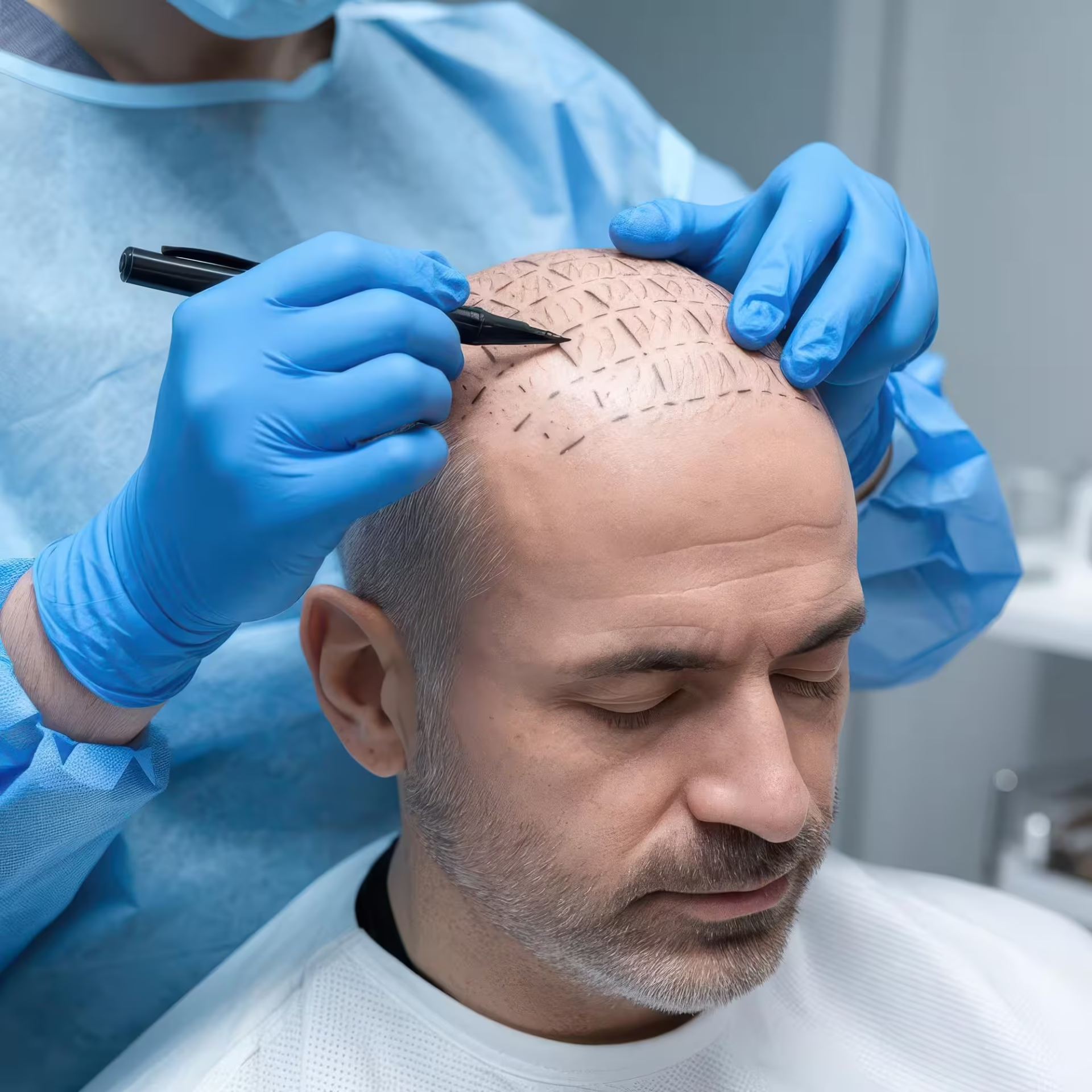
FUE is currently the most advanced and widely performed hair transplant technique worldwide. Individual hair follicles are extracted one by one from the donor area at the back and sides of the scalp using a micro-punch tool, then carefully implanted into the recipient area with precision. Because no strip of skin is removed, FUE leaves no linear scar — making it ideal for patients who prefer to wear their hair short. Recovery is faster, discomfort is minimal, and the results, when performed by a skilled specialist, are virtually indistinguishable from natural hair growth.
FUT, also known as the strip method, involves removing a thin strip of scalp from the donor area, dissecting it under a microscope into individual follicular units, and transplanting them into the recipient area. While FUT does leave a linear scar at the donor site, it allows for the harvesting of a larger number of grafts in a single session — making it a preferred option for patients with more advanced hair loss who need maximum coverage. Modern techniques and skilled closure methods make the scar minimally visible, especially under hair.
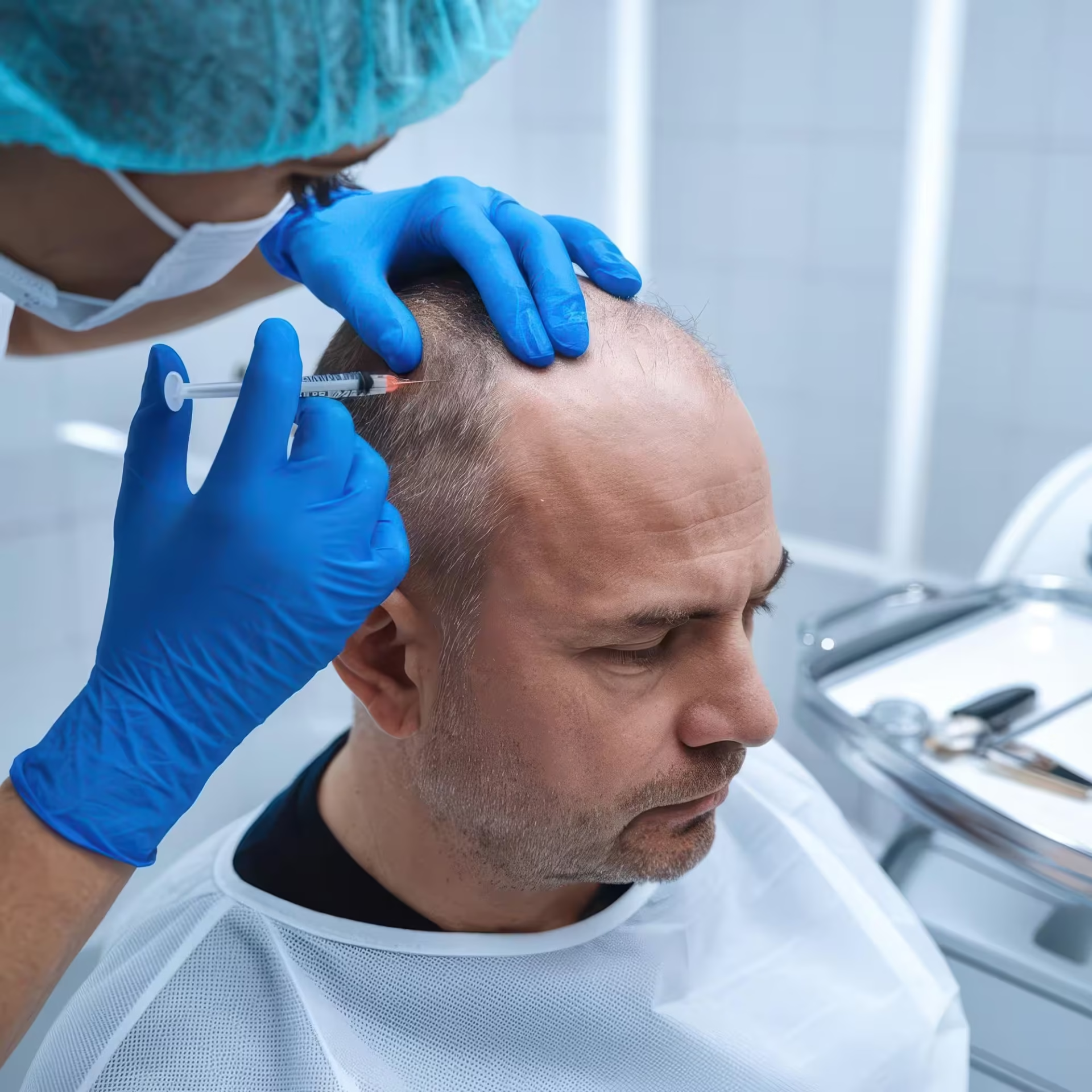
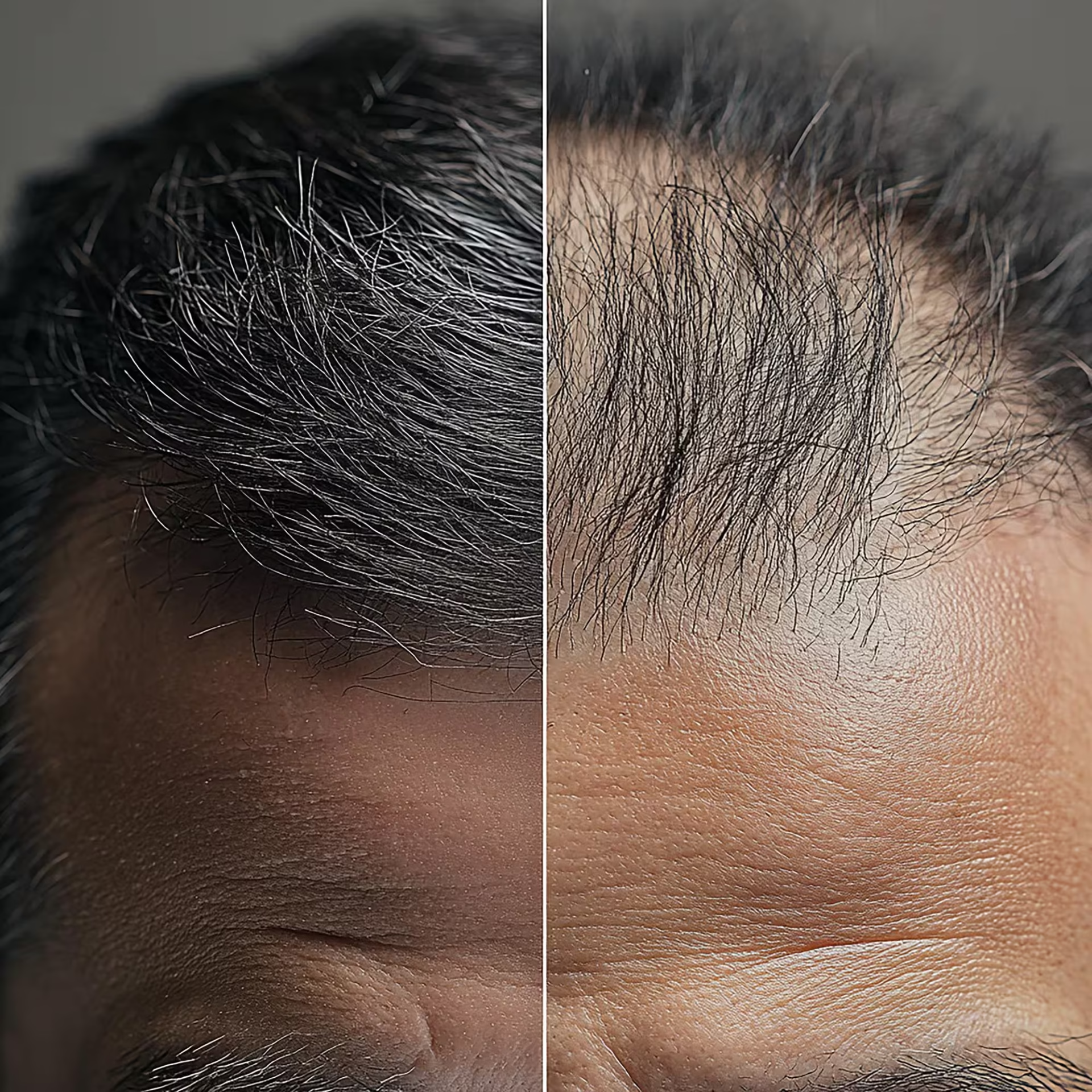
The choice between FUE and FUT depends on several factors — the extent of your hair loss, your donor hair density, your preferred hairstyle, and your timeline for results. FUE is generally preferred for its scarless extraction and faster recovery, while FUT may be recommended for patients needing a larger number of grafts in a single session. In many cases, a combination approach yields the best long-term outcome. Our specialist will discuss both options in detail during your consultation and recommend the most appropriate technique for your specific case.
| Factor | FUE | FUT |
|---|---|---|
| Scarring | Tiny dot scars only | Linear scar (hidden under hair) |
| Grafts per session | Up to 3,500 | Up to 4,000+ |
| Recovery time | 5–7 days | 7–10 days |
| Suitable for | Most patients | Advanced hair loss |
| Hairstyle flexibility | High | Moderate |
Hair grafting is the precise art of placing extracted follicular units into the recipient area at the correct angle, depth, and direction to mimic your natural hair growth pattern. Poor graft placement is one of the leading causes of unnatural-looking transplant results — an issue that only occurs when the procedure is performed without adequate skill and attention. At Beautiphi, every graft is placed with meticulous care, following the natural whorls and directional flow of your existing hair to ensure the final result looks completely natural from every angle.
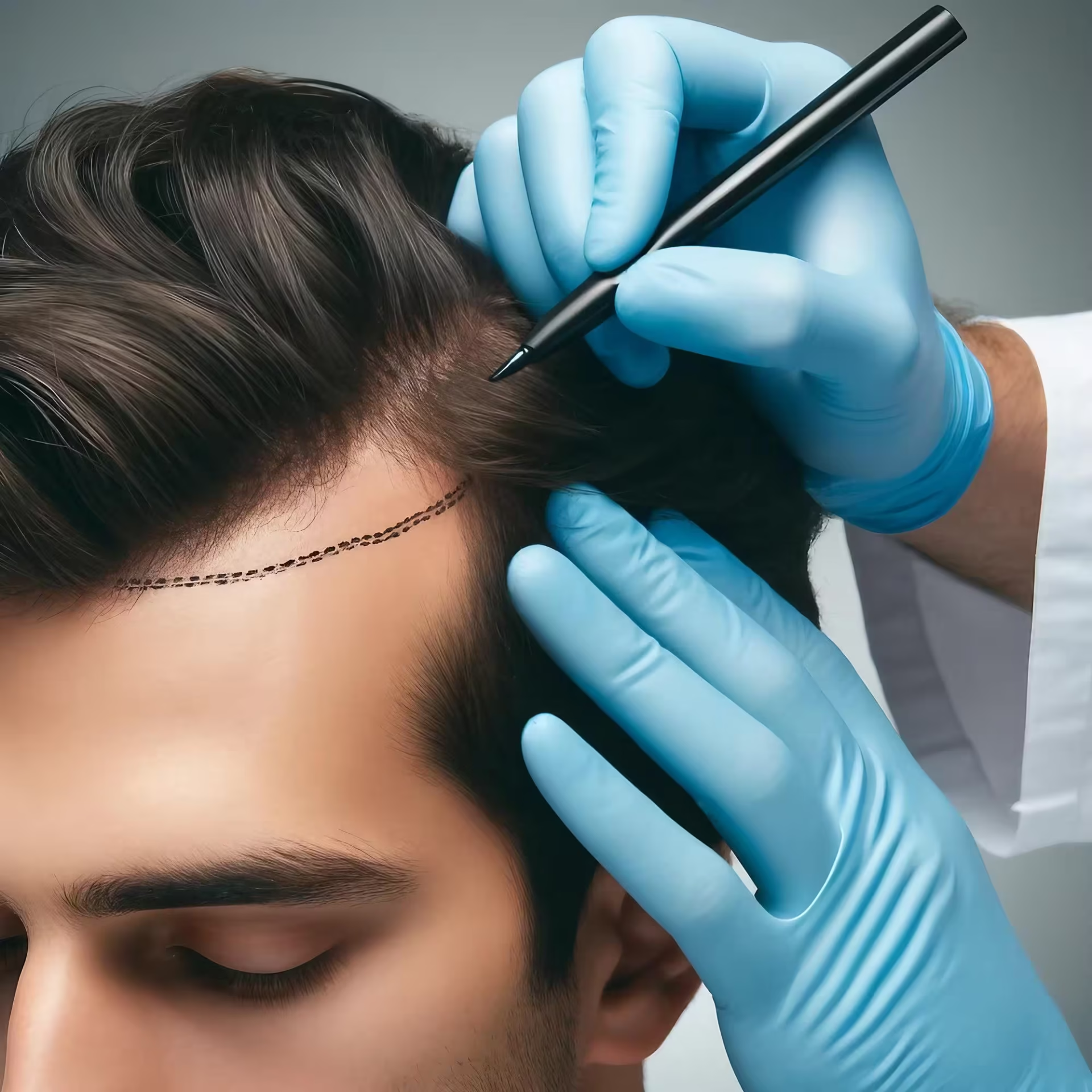
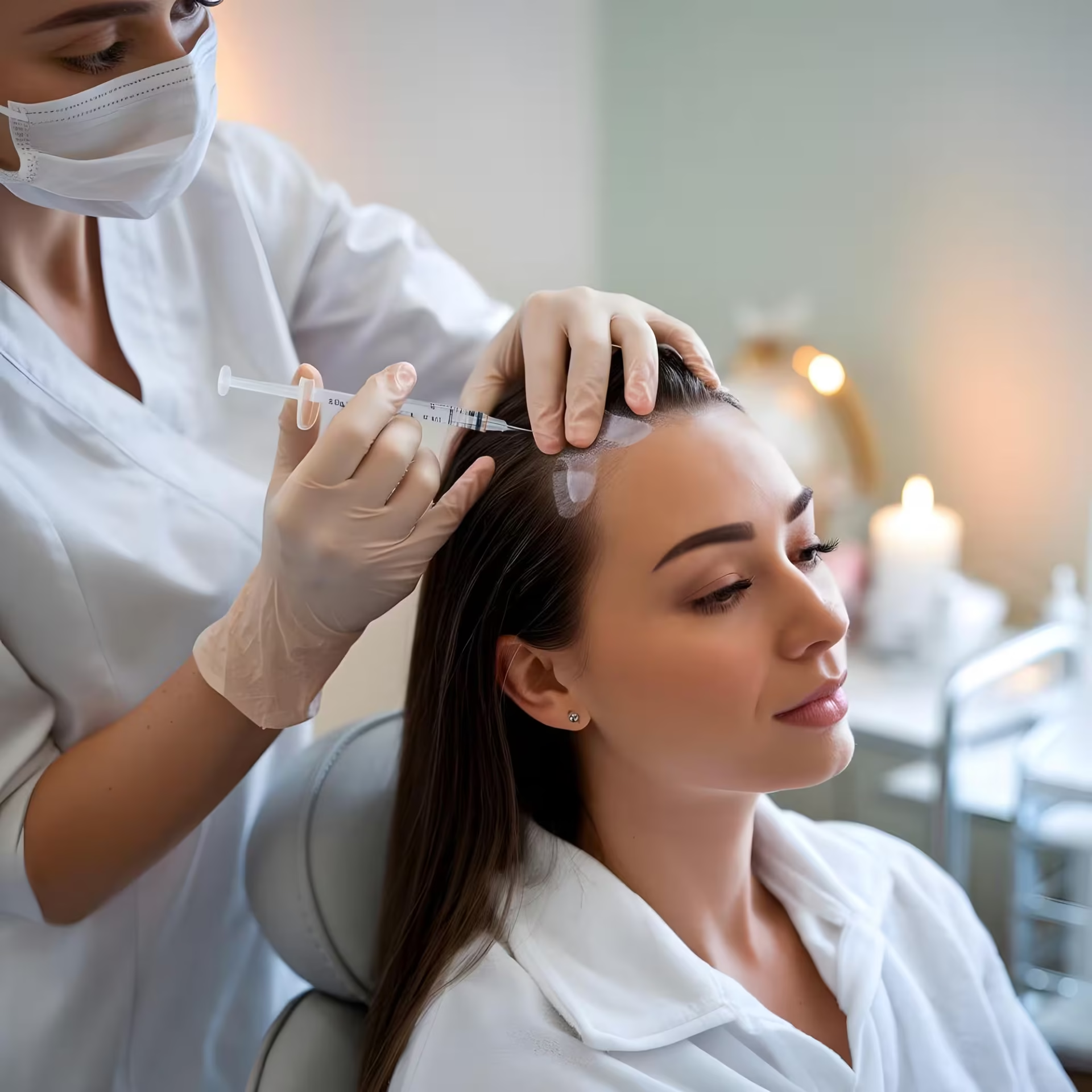
For patients who have undergone a previous hair transplant elsewhere that delivered unsatisfactory results — whether due to unnatural hairline design, poor density, visible scarring, or graft failure — hair reconstruction offers a path to correction. Our specialist will assess the previous work, understand what went wrong, and design a revised plan to achieve the natural result you originally sought. This is a highly specialised area requiring considerable expertise, and we approach each reconstruction case with thorough pre-procedure planning.
Low-level laser therapy (LLLT) uses specific wavelengths of light to stimulate hair follicles at a cellular level — improving blood circulation to the scalp, reducing inflammation, and encouraging follicles in the telogen (resting) phase to re-enter the growth phase. Laser therapy is most effective for early to moderate hair thinning and is often used as a complementary treatment alongside PRP therapy or post-transplant to accelerate and enhance recovery. It is non-invasive, painless, and requires no downtime.
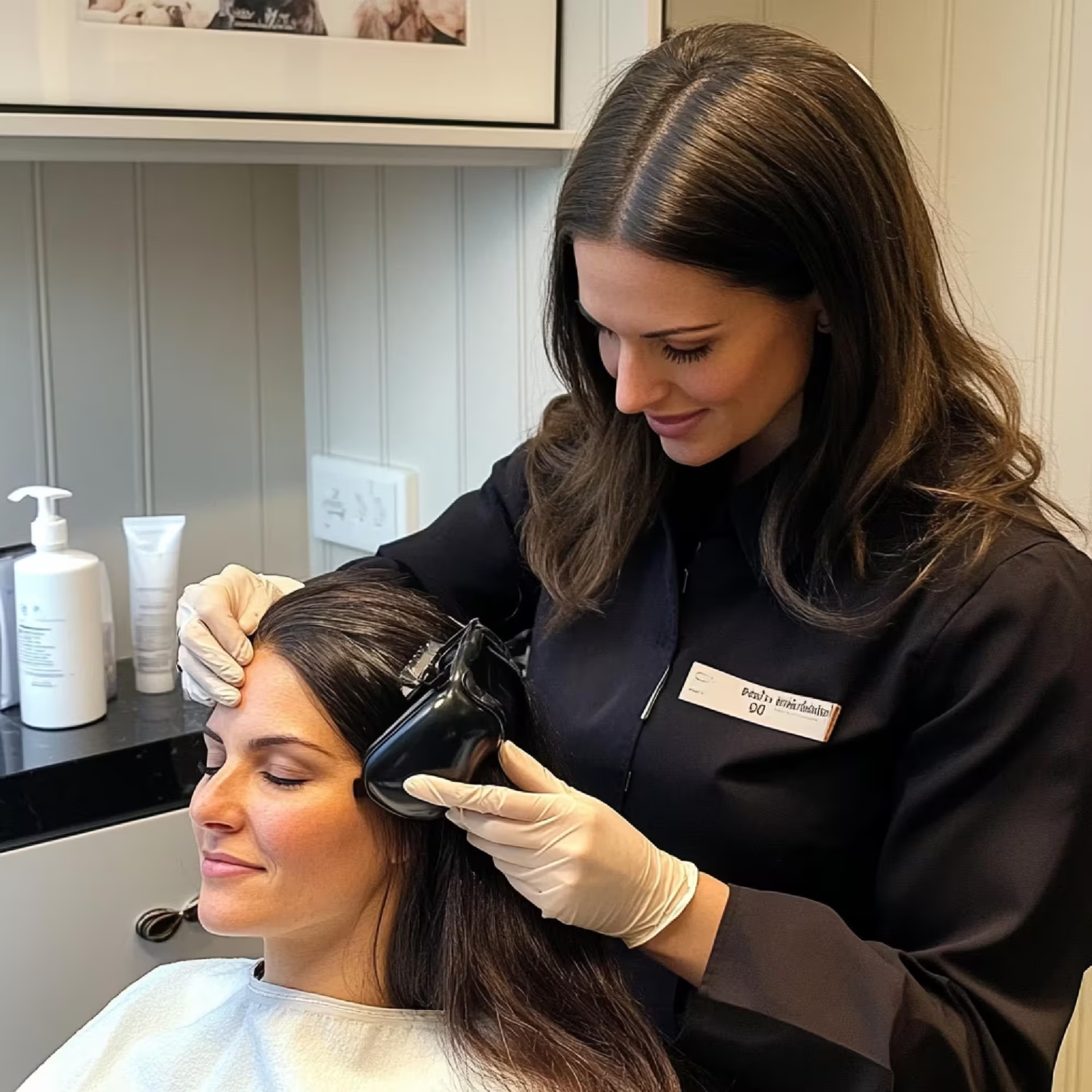
01
Your journey begins with a detailed consultation examining your scalp health, hair loss pattern, donor density, and medical history. We use this to determine the most appropriate technique and realistic graft count for your goals.
02
Before the procedure begins, your specialist designs your new hairline in collaboration with you — ensuring it complements your facial structure, age, and long-term hair loss trajectory. This step is where artistry meets science.
02
On the day of the procedure, local anaesthesia is administered to ensure complete comfort. Extraction and implantation are performed with precision instruments. Most procedures take 4–8 hours depending on the graft count.
03
Post-procedure instructions cover washing, sleeping position, activity restrictions, and medication. Slight redness and scabbing at the recipient and donor sites are normal and resolve within 7–14 days.
04
Hair growth follows a predictable timeline — shedding of transplanted hair in weeks 2–4 is normal and expected (shock loss). New growth begins from month 3–4, with full density achieved at 12–18 months. We schedule follow-up appointments at 1 month, 3 months, 6 months, and 12 months to monitor your progress.
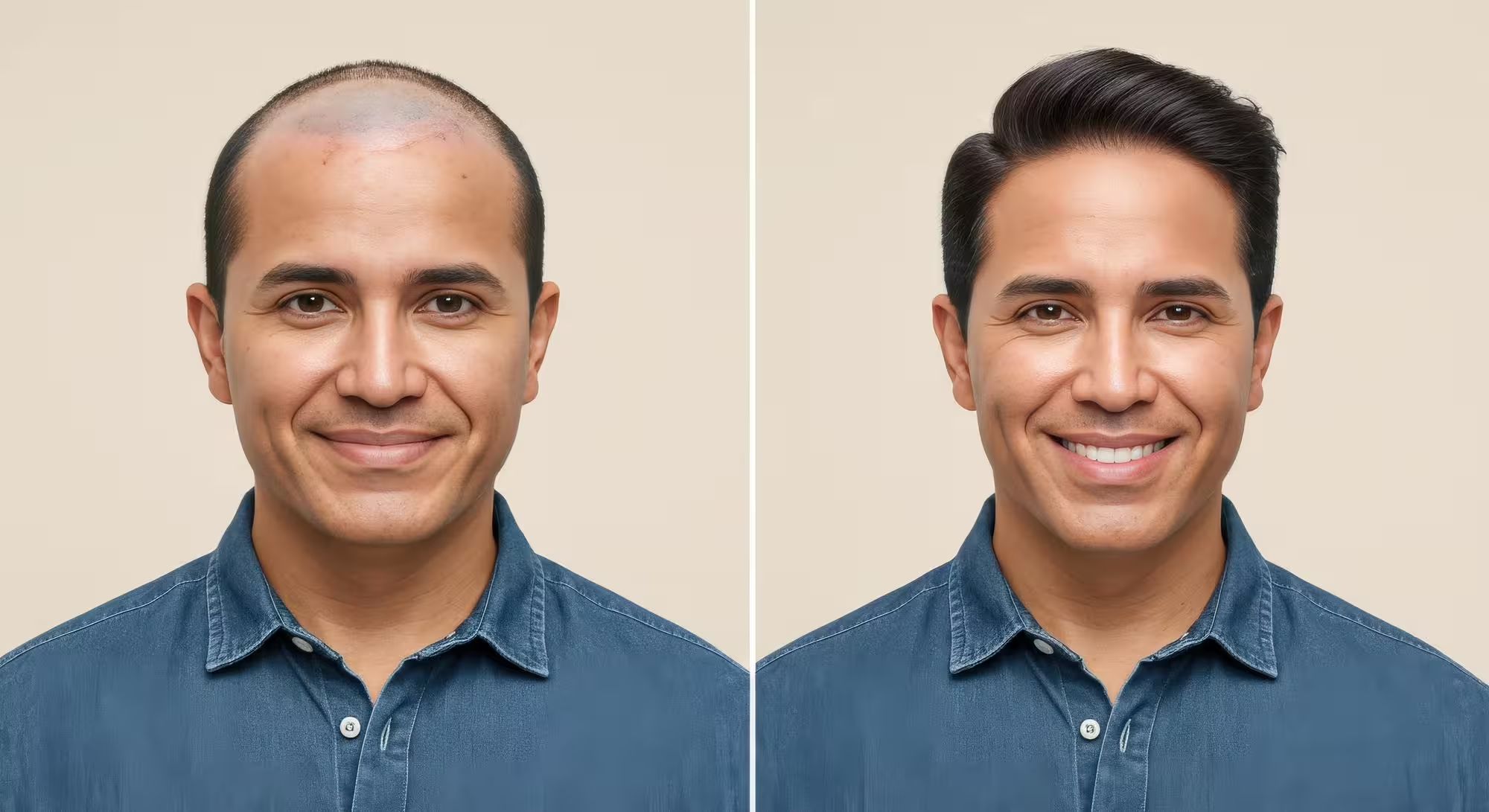
Realistic expectations are a critical part of a successful hair transplant experience. A well-performed transplant will deliver significant density improvement and a natural-looking hairline — but it is not a cure for ongoing hair loss in non-transplanted areas. Most patients achieve 60–80% density improvement in the transplanted zone. Continued medical management of existing hair loss is often recommended alongside the transplant to maintain overall hair health and prevent further recession in untreated areas.
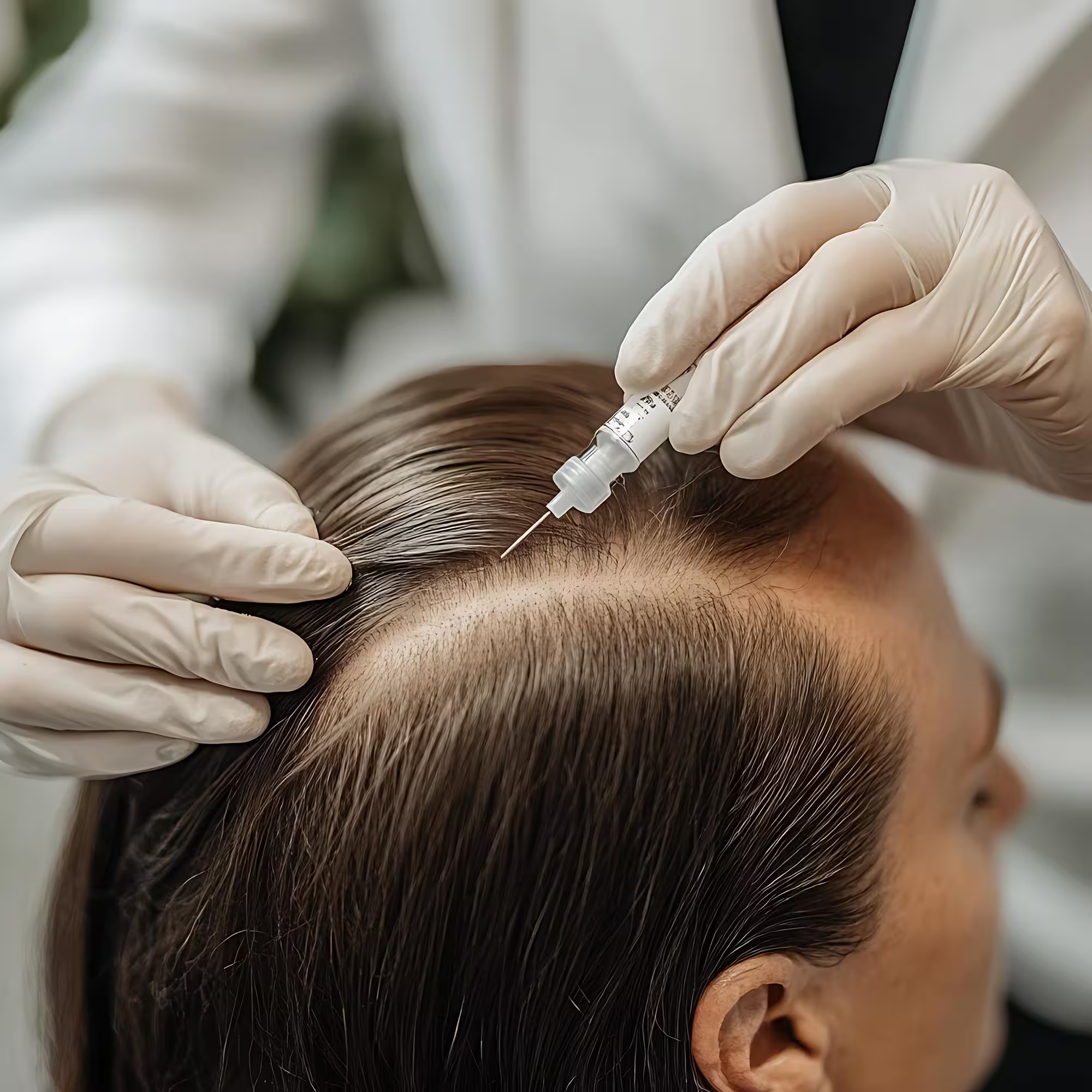
The procedure is performed under local anaesthesia — the injection of anaesthetic is the only discomfort most patients experience. During the procedure itself, there is no pain. Mild soreness and tightness in the donor and recipient areas can last 3–5 days post-procedure and is easily managed with prescribed pain relief.
Hair transplant cost depends on the number of grafts required, the technique used (FUE or FUT), and your specific case. We provide a detailed cost estimate during your consultation after assessing your needs. We do not offer one-size-fits-all pricing as graft counts vary significantly between patients.
The transplanted hair follicles are taken from the DHT-resistant donor area at the back of the scalp — meaning they are genetically programmed to be permanent and will not fall out like the original hair in the affected area. Results are considered permanent with proper aftercare.
Yes — female hair transplant is increasingly common and highly effective for women with androgenetic alopecia, traction alopecia, or hairline irregularities. The approach differs slightly from male transplants in terms of hairline design and donor area management. A consultation will determine your candidacy.
Most patients return to desk work within 5–7 days (FUE) or 7–10 days (FUT). Strenuous physical activity should be avoided for 3–4 weeks. Transplanted hair sheds in weeks 2–4 — this is completely normal and expected. New growth begins from month 3–4.
Many patients achieve their goals in a single session. Patients with very advanced hair loss (Norwood Stage 5–7) may require two sessions spaced 9–12 months apart to achieve optimal density coverage.
The first step toward permanent hair restoration is a conversation. Book a consultation with our hair transplant specialist at Beautiphi Esthetic Clinics, Bajaj Nagar, Nagpur and we’ll give you an honest assessment of your candidacy, a realistic picture of your expected results, and a detailed cost estimate. No pressure. No commitment. Just clarity.